Hands-On Cultural Cooking: Using Food to Explore Geography and Social Studies
Cook your way through a world geography lesson with these delicious recipes and dazzling facts!
Using Cooking to Explore Geography and Culture
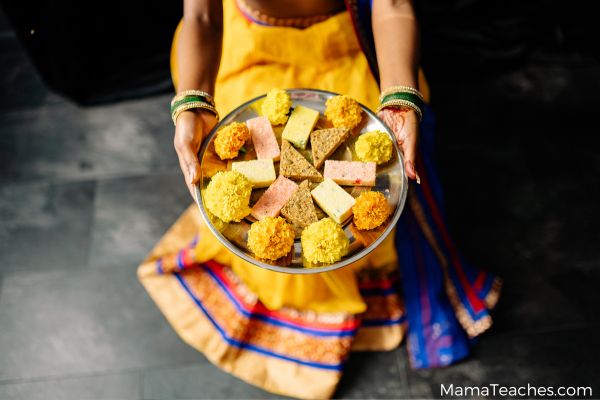
You can read about another country and look at pictures in a book or online, but cooking recipes from that culture makes learning come alive.
Kids will enjoy these geography and social studies minilessons.
All these cultural cooking recipes are simple to prepare and kid-friendly.
Learning has never been this fun and delicious!
Mexico and Corn Tortilla Tacos
This simple recipe will help kids learn about the ancient peoples of Mexico.
Tacos with Corn Tortillas
Ingredients:
- 1 pack soft corn tortillas
- 1 can of refried beans or black beans
- 1 pound ground beef
- Cheese and salsa for toppings
Directions:
- Sauté the ground beef in a large pan on the stovetop. (If you like, add spices like a teaspoon each of cumin, chili powder, and oregano)
- Put the beans in a microwave-safe dish and heat through (cook for around 90 seconds).
- In a skillet, heat the corn tortillas one at a time and store them in foil in the oven. This makes them flexible, so they won’t break when you add the fillings.
- Assemble the tacos and add the toppings.
The Importance of Mexican Corn
Corn was an important crop for Mexico’s earliest inhabitants. They cultivated it from wild grass over 9000 years ago.
In Mayan mythology, the gods created people from corn dough.
The Mayans used corn to make tortillas, tamales, and even beverages.
Corn thrived in southern Mexico because of its rich soil. The crop grows well on its terraced hillsides.
Today, Mexico has over fifty varieties of corn, ranging in color from yellow, white, blue, red, and purple.
Check out these additional fun facts about Mexico.
Japan and a Miso Soup Breakfast
In Japan, miso soup is a traditional breakfast. Move over, cereal!
Miso Soup
Ingredients:
- 3 cups water or vegetable broth
- 2-3 tablespoons white miso (it’s the mildest)
- 1/2 cup cubed “silk” or soft tofu
- 2 green onions, with the green tops sliced into small circles
- Optional: 2-3 teaspoons of dried seaweed, crumbled
Directions:
- Heat the vegetable broth or water in a saucepan.
- Stir in the miso paste until dissolved.
- Add in the tofu cubes, green onion, and seaweed crumbles, if using.
Japan’s Islands
Japan is an island nation. Print out a blackline map of Japan’s four main islands for kids to trace and color.
Japan has 14,125 islands! The four largest are Hokkaido, Honshu, Kyushu, and Shikoku. (Have kids label and color these islands each a different color.)
The capital of Japan is Tokyo, located on the island of Honshu. Honshu is connected to the other three islands by bridges and tunnels.
Being surrounded by water, many people in Japan consume plenty of fish.
They also eat a diet rich in soybeans. That is where tofu and miso paste come from.
In fact, miso soup is a typical breakfast in Japan.
China and Dumplings
Learn about the Great Wall of China and eat some dumplings!
Chicken Dumplings
Ingredients:
- 1 package dumpling (or gyoza) wrappers (you can find these in the refrigerated case in Asian grocery stores)
- 1 cup shredded carrots and/or finely chopped spinach
- 1/2 cup ground chicken, cooked and drained
- 1 green onion, chopped
- Soy sauce for dipping
Directions:
- Mix the cooked chicken, carrots, spinach, and onions.
- Place a spoonful on a dumpling wrapper.
- Wet the edges of the wrapper and fold it over on itself—press to seal.
- Gently drop the dumplings into the boiling water.
- Cook for 4 minutes (the dumplings will rise to the surface)
- Dip the cooked dumplings in soy sauce before eating.
The Great Wall of China
Print out a map of China that includes the Great Wall. Have kids trace the wall.
The Great Wall stretches 13,000 miles! Initially, it was built to protect China from northern invaders.
The wall is made of stone, brick, or earth (really, whatever materials were locally available). It is dotted with watchtowers, allowing soldiers to spot advancing invaders.
Although much of the Great Wall has now crumbled, China has fortified sections near Beijing, allowing you to still walk on top of the wall.
India and Mango Lassi
Lassi is a yogurt-based drink that soothes your mouth after eating spicy foods.
Mango Lassi
Ingredients:
- 1 cup fresh or frozen mango
- 1 cup plain yogurt
- 1/4 milk or water for thinning
- 2-3 teaspoons honey
- Optional: a handful of ice cubes
- Optional: ground cardamom
Directions
- Add the mango, yogurt, water, honey, and ice cubes (if you want a chilled drink)
- Blend until smooth.
- Add a sprinkle of ground cardamom to the top of the lassi.
The Spice Trade
India’s soil and climate made it rich in spices such as cardamom, cumin, pepper, coriander, turmeric, and cloves.
Merchants would travel from Europe, the Middle East, and Asia to trade for India’s valuable spices.
Spices do more than add flavor; they help preserve food. In the days before refrigerators, spices were extremely valuable!
Pepper was once called “black gold” as a result.
Greece and Pita and Tzatziki
Learn about Greece with this simple snack.
Pita and Tzatziki
Ingredients:
- Prepacked pita bread
- 1 cup plain Greek yogurt
- 1/2 cucumber, peeled and chopped
- 1/2 teaspoon dried dill
- 1 teaspoon lemon juice
- 1 teaspoon olive oil
Directions:
- Mix all the ingredients.
- Add salt and pepper to taste.
- Spread on the pita and eat!
Greek Theater
Did you know Greece is the birthplace of theater?
The Greeks were the first people to present tragedy and comedy plays.
Actors wore masks to show their characters.
They performed in outdoor amphitheaters. The stage was a grass or stone area at the base of a hill.
The audience sat on tiered steps that rose above the stage. This allowed the sound to travel upward.
Some ancient amphitheaters could hold thousands of spectators!
As a fun project, have the kids make masks and stage their own production.
Morocco and Couscous
Quick and easy couscous will be the gateway to learning about this North African country.
This cultural cooking lesson makes a great family dinner.
Vegetable Couscous
Ingredients:
- 1 box instant plain couscous, cooked according to package directions
- Cooked vegetables (try steam-in-bag veggies)
- 1 can chickpeas, drained
- Pinch of cinnamon
Directions:
- Cook the couscous according to the package directions.
- Add the veggies and chickpeas.
- Add a pinch of cinnamon and stir in for a bit of sweetness.
Morocco: A Cultural Blend
Find Morocco on a map. Morocco is in North Africa. If you stand on the northern shore, you can actually see Spain across the water!
Morocco was an important trade hub, so it has been influenced by Arab, European, and Berber (indigenous people from the Saharan region) cultures.
The city of Marrakesh was a center of the salt, gold, and spices trade.
Even now, Morocco is famous for its markets (called “souks”) where people buy food, pottery, and rugs. The souks feature a wide array of colorful spices, piled high for sale.
Couscous is an important dish in Morocco. It is often served on Friday nights for family dinner, since couscous symbolizes family and hospitality.
It is served in one big dish at the center of the table; everyone eats together!
Learn About Culture and Food with Kids
While you can learn about world geography and cultures with a book, kids may not be that engaged. Not so with cultural cooking!
Liven up your study of far-flung countries and cultures with these recipes and cultural facts!
Get ready for social studies to be everyone’s favorite subject!