Best Fine Motor Activities for Preschoolers to Build Coordination
Fine motor skills help preschoolers master important daily tasks like holding a pencil, buttoning a shirt, and using scissors.
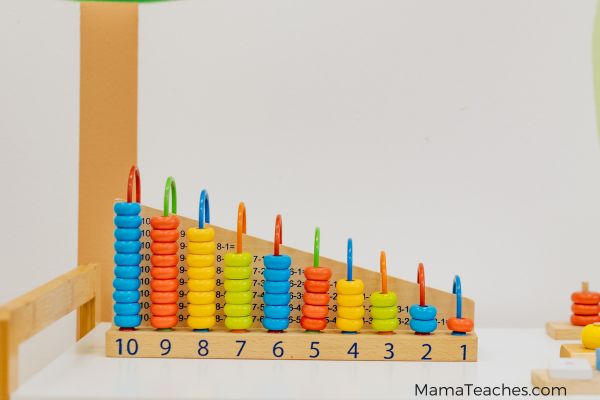
Engaging children in targeted activities builds hand strength and coordination, laying the groundwork for more complex skills in school and everyday life. Simple activities such as playing with playdough, threading beads, or building with blocks can make a big difference in developing these crucial abilities.
Parents and educators can turn everyday moments into fun opportunities for growth. Offering a variety of hands-on activities that challenge small muscles keeps preschoolers interested while supporting their learning and independence.
Key Takeaways
- Fine motor activities are vital for preschool development.
- Play-based tasks build hand coordination and dexterity.
- Everyday materials can make skill-building engaging and effective.
This article is for informational purposes only and does not substitute professional occupational therapy advice. Always consult with a qualified therapist for individual recommendations.
Essential Fine Motor Activities for Preschoolers
Strengthening fine motor skills in preschoolers builds their hand muscles, improves finger strength, and promotes hand-eye coordination. Specific play-based exercises help children develop the stability and control needed for tasks like writing, using scissors, and dressing independently.
Playdough and Dough Manipulation
Playdough activities are widely recognized for promoting fine motor development in young children. As preschoolers squish, roll, pinch, and shape the dough, they engage the small muscles in their hands and fingers, building strength and coordination essential for writing, cutting, and other daily tasks. Teachers and caregivers can enhance these skills by introducing tools like scissors, rolling pins, and cookie cutters, which support bilateral coordination and refined motor control.
Creative challenges, such as forming small balls or snakes, making imprints with beads or buttons, or creating textured patterns, add sensory input while strengthening grasp. Resources like Soundsory’s top fine motor activities for preschoolers, The OT Toolbox, and Therapy Fun Zone all highlight dough play as a leading strategy for improving dexterity, focus, and hand strength in early learners.
Bead Threading and Lacing Cards
Bead threading and lacing cards are classic fine motor skills activities that challenge preschoolers to use precise movements. Picking up small beads and guiding a lace through holes helps build hand-eye coordination and dexterity. Children practice their pincer grasp, which is essential for writing and self-care skills like buttoning or zipping. Using beads of different sizes and textures can increase the challenge or provide new sensory input.
Teachers can create themed lacing cards or encourage children to make their own designs for added variety. Bead threading can also incorporate color patterns, counting, and sequencing, supporting cognitive development alongside motor skills.
Clothespin Clip Games
Clothespin clip activities are simple but effective for building finger strength and fine motor control. Squeezing and pinching clothespins exercises the small muscles in the hand, improving grip, coordination, and stability. Clothespin clip games can involve matching colors or shapes, attaching pins to the edges of cards, or picking up and placing small objects.
These activities are easy to set up with household materials and offer frequent, repeatable practice. Clothespin games are especially beneficial before tasks that require controlled hand movements, such as cutting with scissors or drawing with crayons.
Building Coordination and Dexterity Through Play
Developing fine motor skills in preschoolers lays the groundwork for essential abilities like writing, drawing, and using everyday tools. Activities that target finger dexterity, grip strength, and spatial awareness help children navigate tasks with greater control and confidence.
Pincer Grasp Activities and Games
The pincer grasp involves using the thumb and forefinger to pick up and manipulate objects, a foundational movement for many fine motor tasks. Preschoolers can sharpen this skill through engaging activities such as picking up small beads, threading pasta onto string, or placing buttons into slots.
Pincer grasp games like sticker peeling or using tweezers to transfer pom-poms encourage finger coordination and precision. Teachers and parents can create simple sorting stations using everyday items like coins or cereal, promoting repeated practice. These exercises support not only fine motor skill development but also problem-solving skills and bilateral coordination, as children often use both hands in tandem to position or stabilize objects.
Hand Strength and Grip Challenges
Grip strength is critical for tasks such as holding pencils, scissors, and utensils. To build fine motor strength, children can participate in challenges like squeezing sponges, crumpling paper into balls, or using hole punchers. These repetitive squeezing motions boost muscle endurance in the hands and fingers.
Clay or playdough activities also provide resistance training, helping develop both grip strength and finger dexterity. Simple hand exercises, such as rolling dough into snakes or flattening balls between the thumb and fingers, involve small muscle movements and increase control. Incorporating games that require pulling, twisting, or pinching objects further enhances overall hand coordination and fine motor precision.
Mix It Up
Fine motor activities play a crucial role in preschool development by strengthening small muscles and improving hand-eye coordination. By using everyday materials such as playdough, beads, and building blocks, children can develop essential skills needed for writing, dressing, and self-care.
Providing a mix of structured and play-based tasks encourages engagement and skill-building in a natural way. Teachers and families can support preschoolers by offering varied, age-appropriate activities routinely. Consistent practice with these activities lays the groundwork for later academic and daily tasks, helping children gain confidence and independence at their own pace.