
5 Canadian Universities to Compare for a One-Year Master’s if You Plan to Work After Graduation
A one-year master’s gives an international student two dates to work with. One is when the university expects the degree to end. The other is when a post-graduation work permit would expire if the federal government issued one. The first date comes from the academic calendar. The second depends on immigration rules and the student’s circumstances.
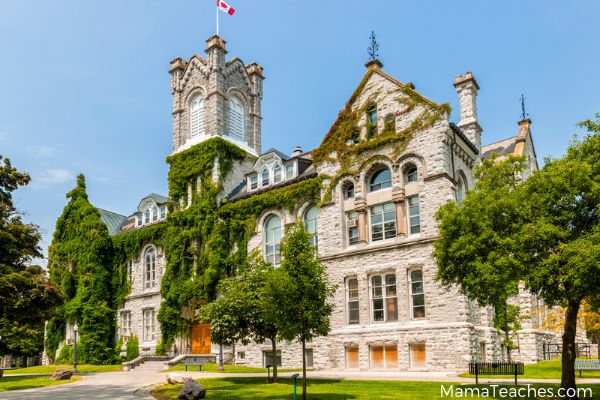
Compare the work you could show an employer when the degree ends. A data project may give you an example of how you tested a model. A degree in labor relations can teach you how to apply a collective agreement. Those are different reasons to choose a short program.
What to Compare in a Short Master’s
The degree name, campus, and full-time schedule identify the route a student needs to check. Two routes with similar names can have different formats. A program with a longer internship option can also have a different end date from its regular route.
Use a job posting to check the fit. The field named in the degree matters, but so does the work a student can describe in an interview. In a technical job, that may be a data model, with an explanation of how it was tested. In a labor relations job, it may be the ability to read a collective agreement and explain how it applies to a situation at work. Look for courses or projects that teach those tasks.
University of British Columbia for Data Science
The University of British Columbia’s Vancouver Master of Data Science is a 10-month professional degree. The program brings computer science and statistics together and uses real datasets in the coursework. It ends with a team capstone that addresses a question from a partner organization.
Applicants planning to work with data across different industries can compare the capstone with the work listed in entry-level jobs. If a posting calls for both skills, ask what the team gives the partner at the end. A written report and a talk call for different skills. It is also worth checking the prerequisites early. A short program leaves little room to pick up missing coursework after admission.

University of Guelph for Data Work in the Life Sciences
At the University of Guelph, the on-campus Master of Bioinformatics takes 12 months on the regular schedule. Students take courses in the fall and winter, then spend the summer on a research project. They identify their project and adviser during the program. Projects can involve university faculty or partners in the public and private sectors.
The coursework is designed for people who want to analyse data from the life sciences. A student comparing it with a general data science degree can ask what students have worked on. A project might look at patterns in gene data, which would call for a different set of skills from a project using sales figures. The university also offers the option to extend the project into a fourth term. Use the three-term schedule when comparing the standard route and budget separately for an extension.
Queen’s University for Labor Relations
Queen’s University offers a full-time, on-campus Master of Industrial Relations in Kingston. It takes 10 to 12 months. The program covers human resources, labor policy and law in a Canadian setting. It can suit applicants who want to work with labor relations questions in a union, a company or a public organization.
Check the international applicant page well before the deadline. Queen’s publishes additional test requirements for applicants who completed an undergraduate degree outside Canada. The department lists both the academic requirement and separate guidance on which tests it accepts. If a prospective student’s goal is work outside Ontario, it is also worth checking how the rules and terminology used in the degree relate to the jurisdiction where they want to work.
University of Waterloo for Developing Products and Ventures
The University of Waterloo’s full-time Master of Business, Entrepreneurship and Technology takes one year. The course-based program covers how to test a business idea and build a venture. Its part-time option takes three years, so use the full-time schedule in a one-year comparison.
This degree can fit someone who wants to develop a product or work on how a technology gets to market. Before enrolling, compare the course work with two or three jobs in that area. A role that asks for product planning may call for evidence of customer research or an estimate of what a new service costs to build. A job that asks for technical model development may call for a different program.

McGill University for Management Analytics
McGill University offers a 12-month option for its in-person Master of Management in Analytics. The degree includes a capstone in which students apply analytics to a business question. A separate 16-month option includes an internship and requires program approval for the internship.
A student with a firm end date can plan around the 12-month route. A capstone can give a graduate an example of working with a team and explaining what an analysis means for a business decision. A student for whom time in a workplace matters more should compare the longer route separately. Ask how the internship is arranged and when students have to decide whether to pursue it.
How a one-year master’s affects permit length
Federal rules allow eligible graduates of a master’s degree to apply for a post-graduation work permit for up to three years even when the degree took less than two years. The program must be at least eight months, or 900 hours for Quebec programs, and the graduate must meet the other eligibility rules. The permit can be shorter if the passport expires before the full period.
A university can confirm its program details. Immigration, Refugees and Citizenship Canada determines whether a graduate qualifies and how long the permit will last. Before choosing a program, check that the exact credential and mode of study meet the current rules. A designated institution may offer programs with different work permit eligibility.
What to Allow for if the Master’s is in Quebec
A student who plans to study in Quebec for more than six months generally needs a Québec Acceptance Certificate for studies as well as a federal study permit. The province issues the certificate. For someone applying from abroad, the province tells students to file their federal study permit application after they get the letter that confirms the certificate has been issued. Check Quebec’s exemptions if you already have status in Canada.
Those steps take place before a student can begin the degree. When comparing McGill with a school in another province, look up the time each step can take and see how it fits the school’s start date. Ask the school what it does if required paperwork arrives too late for the start of classes.

English or French Test Results for the Work Permit
A graduate who applies for a work permit after a master’s degree generally needs language results at level 7 in all four skills on the Canadian scale for English or French. Federal rules exempt master’s graduates from the field-of-study requirement. The language rule still applies. Check which tests the federal government accepts and how recent the results need to be.
An English test used for admission may be a different test from the one the federal government accepts for the permit. Compare the two lists early enough to plan and pay for another test if you need one.
Put Recruiting Dates Next to the Academic Calendar
Ask each program when employers usually speak with students and when the final project is due. On a 10- or 12-month schedule, both can fall close to exams or a project deadline. A student can prepare a first version of their résumé and collect examples of past work before classes start.
Allow time for the gap between the end of coursework and the point when the university can issue written proof of completion. Add the likely cost of living through that gap to the budget for the degree. Those dates can change what it costs to take a particular route and when a graduate can make a firm commitment to an employer.