5 Ways AI and Smart Devices Are Changing the Classroom
The classroom of the future isn’t a sci-fi concept from a distant decade. It is a reality unfolding in hallways and study halls right now. The concept of the Internet of Things (IoT) is refreshingly simple. It refers to everyday objects like tablets and interactive whiteboards that connect to the internet to share data and improve functionality.
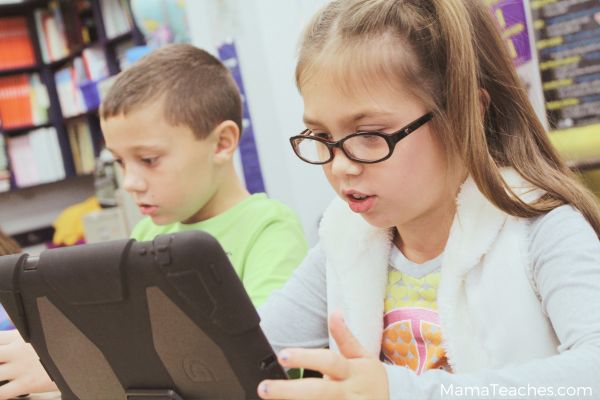
This connectivity is doing far more than just replacing heavy textbooks with slim screens. It is literally changing the way children learn. It makes the process smarter, personalized, and more accessible.
Why Kids Are Sometimes Tech-Timid
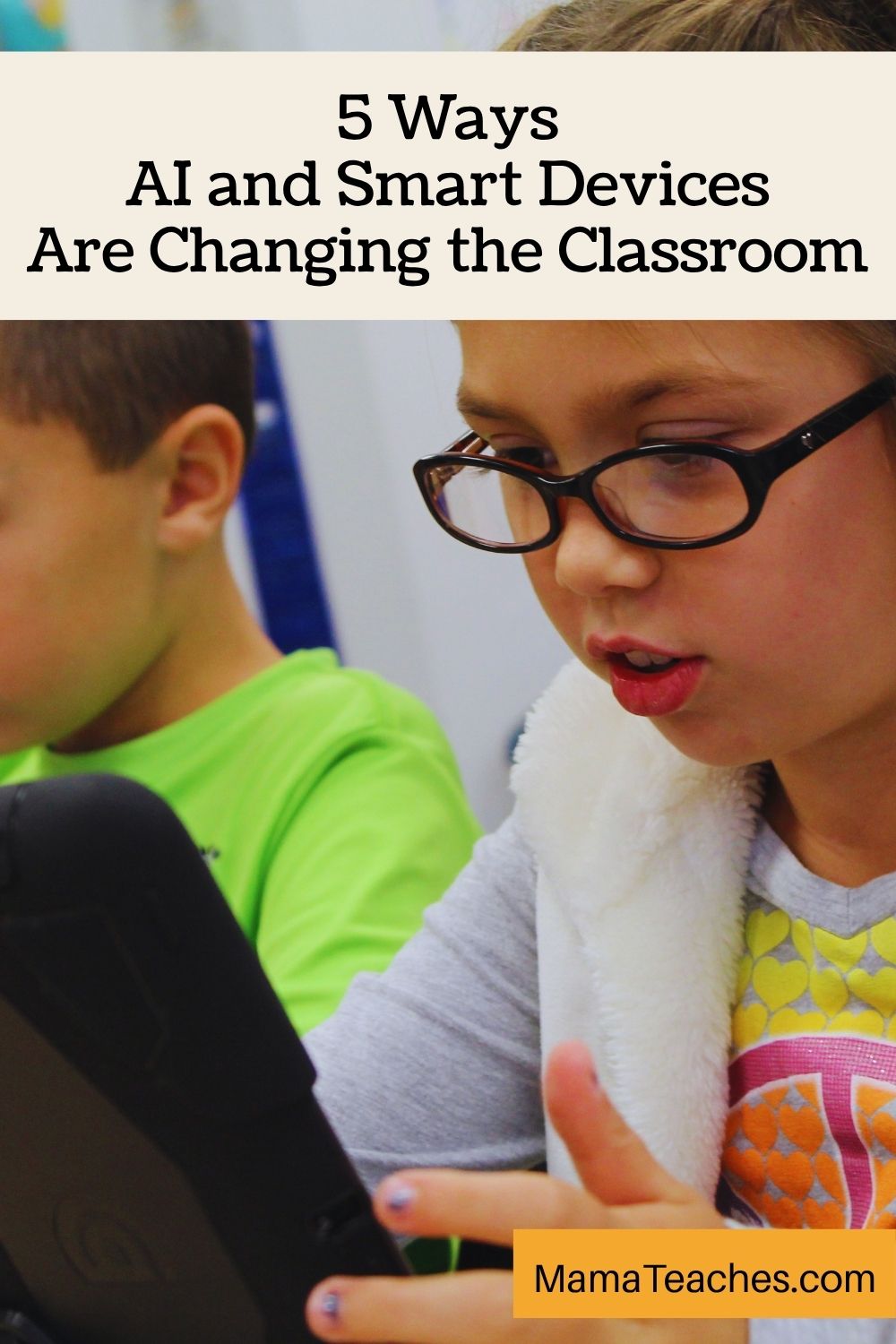
There is a widespread myth that all children born in the digital era are digital natives who welcome all new devices with open arms. In real life, lots of students and children are, in fact, scared of new technologies coming into their learning environment.
The Pressure of Performance
A student who is accustomed to paper and pencil may seem like a black box when a new AI platform is introduced. They might also be concerned that unless they learn the interface quickly, they will be left behind or perceived to be slow in front of classmates.
Fear of Displacement
As adults fear being displaced by AI, children tend to fear being displaced by technology because of the human bond they experience with their teachers. They are afraid that the classroom will be a chilly, sterile place.
Complexity Overload
It can be overwhelming sometimes, the number of features that a new smart device has. A complicated new app may seem like an extra obstacle for a child who is already struggling in school. It’s intimidating!
Bring Extra Value
These fears are not insignificant, and they must be addressed with compassion, but it is crucial to convey that these tools are aids, not substitutes. Introduced properly, AI will add additional value as a safety net. It offers an individual area where a child can go wrong without being judged and rehearse until he or she feels ready enough to present his or her work to the rest of the classroom.
1. Customized Learning and E-Learning Among Children
All children learn differently, and they have their strengths and areas of sticking points. In a conventional, one-size-fits-all environment, the teacher needs to instruct in the middle, and that can be too slow for one student and too fast for another.
AI-driven software is a personal tutor that never tires. These systems build a personal roadmap for each learner by analyzing a student’s performance in real time. This shift to e-learning among children ensures that the basic building blocks of a topic are learned before the child proceeds to more complex theories. This does not merely enhance grades; it develops true self-esteem.
2. Interactive Phygital Experiences
IoT can connect the physical and digital worlds and establish what researchers refer to as phygital spaces. This is where magic occurs for the kinesthetic and visual learners.
Think about a biology class, in which, rather than looking through a book at a flat diagram of a heart, the students can hold a beating 3D heart in their hands with Augmented Reality (AR). They can magnify valves, track blood flow, and interact with the organ in real time. The smart devices transform passive listening into active listening, and abstract matters become concrete and much easier to understand.
3. Boost Mathematical Fluency and Logic
Math is often the subject that causes the most tech-anxiety, yet it is also where AI provides the most profound support and solves math problems. Since the 1980s, calculators have been a point of debate, but modern educators have realized that they don’t replace thinking — they shift the focus toward higher-level logic. Consider the long division solver, a tool that functions as a brilliant learning assistant. By leveraging AI to scan a handwritten problem directly from an image, this technology provides comprehensive, step-by-step guidance and clear visuals to demystify the calculation process.
The Pros of Using a Long Division Solver
- Visualizing the Algorithm: Instead of just seeing a final answer, students see how the remainder is carried over, which helps them understand place value.
- Promoting Mental Math: When the “grunt work” is handled, students can focus on estimation. They can ask, “Does this answer make sense?” rather than getting lost in the “carry the one” mechanics.
- Preparation for Algebra: Mastery of division leads directly to understanding rational numbers and polynomial division. Using a solver allows students to see these connections earlier and more clearly.
4. Real-Time Feedback and Checking
One of the biggest obstacles to learning is the feedback gap—the time between finishing an assignment and receiving a graded paper. When a student fails to understand a concept on Monday and then does not repeat the work until Friday, he has four days to strengthen his or her error. Intelligent systems provide immediate feedback. This cyclical process ensures continued interest and avoids the spiral of frustration that can occur when a child becomes stuck.
Moreover, these tools can also be used to do so-called verification sessions, during which students can verify their logic at any point, making any homework session a mini-tutorial.
5. Empower Teachers Through Automation
Although students are the main concern, the smart classroom can indirectly assist them by relieving their teachers of busywork. IoT devices may be used to automate administrative tasks such as attendance capturing, marking multiple-choice quizzes, and classroom schedules.
Once released from the paperwork prison, teachers have more energy to do what they do best: mentorship, emotional support, and creative lesson planning. Humans can work with the heart, and tech can work with the data.
Five Tips to Start Using Tech in the Classroom
In case you are a parent or an educator and want to support a tech-timid child to adopt these tools, here are some steps you can take to overcome the barrier:
The Sandbox Approach
Give the child free time with the device or software with no grades or objectives. Allow them to press the buttons, make errors, and learn the interface in a low-stress situation.
Be About the Why
Get students to understand that a long division solver is not a method of cheating, but a method of checking. Put it in the form of a coach who can make them realize their own mistakes.
Hybrid Learning
Promote a “first paper, then tech” approach. Ask the student to solve a problem by hand, then check the steps with the help of the AI tool. This builds confidence in oneself and in the technology.
Boundaries
IoT and AI are a force, but they make each other even more potent. Allocate analog time, during which the emphasis will be on reading hardcopy books or tactile games to avoid digital exhaustion.
Congratulate the Process, Not the Product
Cite the statistics that came from such intelligent applications, to applaud the effort and the actions made, instead of simply the correct answer.
Another New Deal
The incorporation of AI and smart devices represents an important shift in teaching priorities. These technologies can help children learn more quickly and understand more by serving as their 24/7 learning companions. The classroom will continue to evolve into a dynamic, tech-empowered room. When we accept these tools with a dose of human understanding and digital inquisitiveness, the possibilities become endless.
You May Also Like…