Tips for Discussing Politics with Kids
How do you discuss the news of the day, particularly politics, with kids? Read on for the best approach.
Talking Politics with Kids
In this interconnected world, children are exposed to current events through media, conversations with peers, and overheard murmurings from adults in their lives.
They will have questions, and they may look to you for answers. This is particularly true for politics, since they may not have a firm understanding of how government works.
Unlike adults, who often have entrenched political views, children and teens may be open to a conversation.
Should you talk politics with kids? Absolutely!
The Benefits of Discussing Politics with Kids
In this charged political climate, many people avoid talking about politics with others. But you should discuss politics with kids for these reasons:
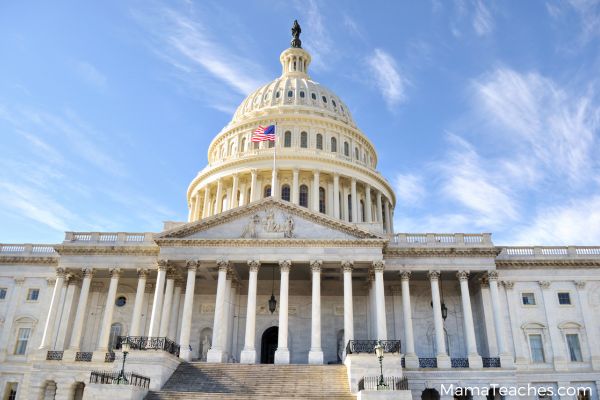
Understanding Government
You are raising a citizen, and citizens should understand the rules and framework of their nation.
You are your child’s first social studies teacher.
Thinking Critically
Laws exist to address society’s problems and keep it orderly and safe.
Disagreements occur when two sides see problems differently or have different approaches to solving those problems.
Discussing politics with kids empowers them to think critically about society’s problems, weigh the pros and cons of potential solutions, and even brainstorm their own ideas.
Developing Empathy and a Balanced Perspective
Every issue has two sides. By discussing political differences, you can help your child develop a balanced perspective.
Discussing politics can also promote empathy, and empathy should be taught.
How to Talk About Politics with Kids
There is a right way and a wrong way when it comes to discussing politics with kids. Follow these dos and don’ts.
Listen, Don’t Lecture
It is important to have a conversation with kids. That means a give and take.
Do not make a speech or give a lecture to your child. They will just tune you out.
Instead, create a dialogue. Ask questions, and give brief replies.
Watch for signs that your child’s interest is waning. Keep the conversation brief if needed. You can always pick it up later.
Be Honest About Knowledge Gaps
The political system is complicated! Don’t approach a conversation with kids feeling like you need to be the expert.
An appropriate (even helpful) response to a question is, “I don’t know the answer to that. Let’s find out together.”
Model Citizenship Yourself
If your child has questions about politics, that’s a great sign! You want your child to be an informed and engaged citizen.
But they are also watching you and learning from your behavior.
Educate yourself on the issues, vote in all your elections, and speak respectfully to and about those with whom you disagree.
Make Conversations Age-Appropriate
Elementary-age kids are not ready for complex political theory.
Instead, start your conversation by tying politics to topics they do understand, like fairness, taking turns, playground rules, and voting as a class.
Start with Local Government
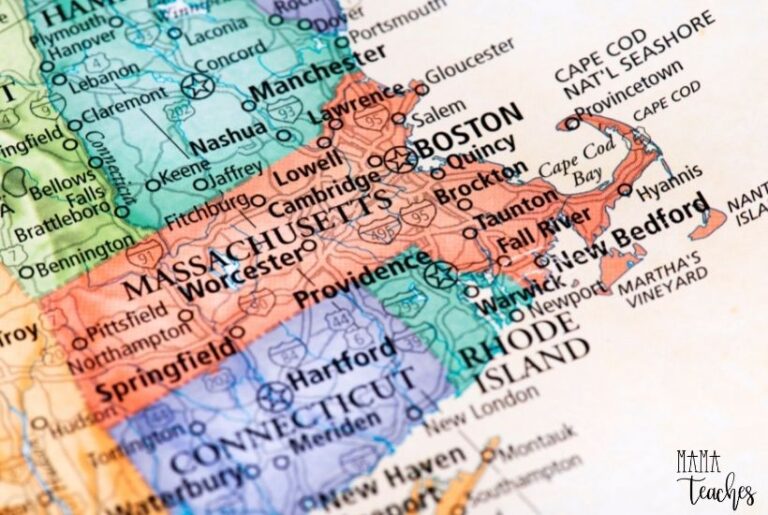
Start conversations about the areas of government that kids actually see: parks, firefighters, community development, public schools, etc.
What are the local issues that your community is trying to solve? Explain the different viewpoints, and ask your kids to weigh in on possible solutions.
Encourage Research
Older kids and teens are exposed to plenty of political conversations, in person and online.
Start by asking your child what they have heard from their friends, teachers, and those on social media.
Show your child how to research the claims they hear. Teach them how to find credible sources and check for bias.
Kids tend to believe something because “they saw it online,” so you need to teach them about using multiple, credible sources that fact-check their information.
Model Civil Discourse
Most people have forgotten how to have a respectful conversation about politics.
They are quick to resort to yelling and name-calling when they disagree.
You have to model civil discourse by listening to others and responding to them respectfully, even when you disagree.
Focus on Values, Not Issues
Issues will come and go with the seasons. Your job is to teach your children values. Their values will shape their responses to the issues facing society.
What are your family’s core values? Are they kindness, generosity, hard work, personal responsibility, or service?
Talk with your family about the values and character traits you want to focus on together (pick one to three).
You can then have conversations about various issues in light of those values.
Where do you see these values show up in politics? This conversation starter often leads to more balanced and thoughtful responses.
How to Discuss Politics with Children and Teens
You can and should talk about politics with kids. It will build empathy, promote critical thinking, and teach kids about the government.