
How to Budget for Your Family’s First Car Without the Stress
Buying your family’s first car (and subsequent cars!) is a big step, and it can be a little intimidating, especially when your money already has to stretch in so many different directions.
When you buy a car, you’re not just choosing a vehicle. You’re deciding how to spend your days, how to get your kids where they need to be, and how much money you’ll have left at the end of the month.
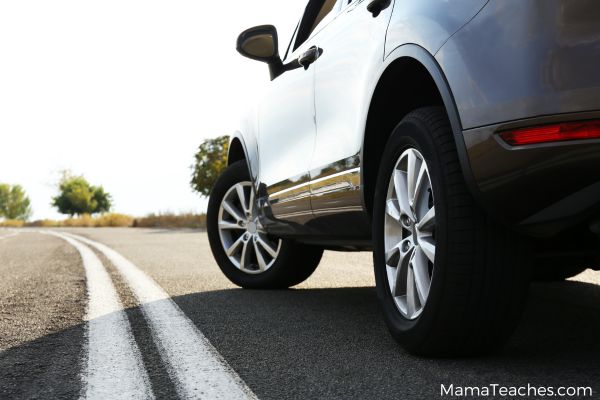
The good news is, budgeting for your first family car doesn’t have to be stressful or confusing. With a few smart tips and know-how, you can make smart choices without feeling overwhelmed or pressured.
Decide What Your Family Needs in a Car
Before you look at prices, be clear on how your family will use the car and whether those needs will change in the not-too-distant future.
Daily school runs, work commutes, and grocery trips all influence your decision. If you have young kids, easy access to car seats (so that cute 2-door sedan probably isn’t going to be a winner!), and enough back-seat space matter. If your family may grow, extra room for passengers and bags can help you avoid having to upgrade too soon.
It’s best to focus on practical space, seating, and storage rather than style. When the car fits your routine, every other decision becomes easier.
Look Beyond the Sticker Price
The real cost of owning a car goes beyond monthly payments.
You also need to look for affordable car insurance, calculate your daily fuel costs, work out your annual licensing or registration fees, and factor in routine maintenance such as servicing and tyre replacement.
All of these expenses then need to be added to your budget to determine the true cost of owning a car. If you overlook any of these expenses, you can quickly strain or even derail your budget. Research these costs before you buy so you have a clear picture of what the car will truly cost you each month.
Draw Up a Budget That Works for Your Family
One easy way to keep car costs from escalating beyond your means is to follow the 20/4/10 rule, which sets limits before emotions or impulses take over.
- 20: Aim to put down about 20% of the car’s price. This lowers your loan amount and keeps
interest costs down. - 4: Choose a loan term of four years or less. Longer loans look cheaper each month but cost far
more over time. - 10: Keep all car costs under 10% of your gross monthly income. That includes the payment, insurance, fuel, and basic upkeep.
This keeps your budget realistic and leaves room for the other
unavoidable expenses of family life.
Set Clear Limits Before You Start Shopping
Before you start shopping, set clear limits and back them up with real research. You can do this by spending time online looking at typical sale prices in your area, and not just list prices.
It’s also a good idea to check fuel economy ratings to estimate how much you’ll spend each month on gas.
When you’re researching, look up safety scores from trusted sources like NHTSA and IIHS, and scan reliability data to see which models tend to cost less to maintain over time.
Once you have a number that works for your budget, treat it as firm. Even a small jump in monthly payments can add up to thousands over a few years, and if a dealer pressures you past your limit, walk away.

Use Reliable Tools to Estimate Ongoing Costs
It’s easy to find online calculators that let you enter your make and model, how much you drive, and where you live, to estimate insurance, fuel, and basic upkeep costs. Some of these tools also show how fast your car depreciates.
When you compare a few cars this way, the numbers are easier to understand. You can see which option fits your budget, and which one will stretch it too far before you buy, and after you’ve had it for an extended period of time.
Take Extra Steps to Protect Your Budget When Buying Used
When buying a second-hand car, start by ensuring the sale is properly checked and documented. From there, confirm the asking price by comparing it with similar cars of the same age and mileage.
As you review options, pay close attention to condition, service history, and resale value, and prioritize common, practical models over rare or collectible vehicles, or those with added extras that could be expensive if they fail.
Taking the time to research these details upfront can help you avoid expensive mistakes later.
Regularly Review Your Budget After the Purchase
Life changes, kids grow, commutes shift, and income can increase or decrease. Your budget should move with it.
It’s best to keep tabs on your expenses and to plan ahead for any emergencies. By setting aside funds for routine servicing, tires, and unexpected repairs, you can ensure you always have a cash reserve to draw on and avoid nasty surprises.
By managing your money and budgeting properly, you and your family can enjoy the luxury and convenience of owning a car without worrying about any hidden or unexpected costs.
You May Also Like…