Mindfulness in Education: Techniques to Enhance Focus and Reduce Stress
Do you want your students to have increased focus and lower stress levels? Try some of these mindfulness techniques that work in a classroom or homeschool.

What Is Mindfulness?
Mindfulness is the practice of bringing your attention to the present moment.
When you focus on the present, you make the shame of the past and the worries of the future fade into the background.
Everyone, young and old, can benefit from mindfulness techniques.
(Read more about mindfulness for children and mindfulness for homeschool moms.)
Mindfulness lowers stress levels, increases focus and problem-solving abilities, and improves your sense of well-being.
Mindfulness techniques are easy to implement, and the following techniques work exceptionally well with students.

This article contains affiliate links to things that you might like.
10 Mindfulness Techniques for Students
Check out these ten mindfulness techniques that will help your students destress and dial in.
Deep Breathing Exercises
Deep breathing is a mindfulness exercise that can be done anytime, anywhere.
This mindfulness technique works well to calm students before and during testing.
You can teach them belly breathing.
This involves them placing a hand on their bellies and taking slow, deep breaths that make their hands rise and fall.
You can also use breathing exercises with numerical cues like 4-7-8.
Inhale for four seconds, hold your breath for seven seconds, and then exhale slowly for eight seconds.
Breathing exercises work wonders to focus your attention on your breath and away from worry.
It will slow your heart rate and interrupt your body’s stress response.
Guided Imagery and Visualization
Who isn’t entranced by a good story?
Guided imagery takes advantage of the student’s imagination by asking them to focus on a story with sensory details.
Have students close their eyes and as you use description to lead them to a safe and pleasant place in their imagination.
This could be a beach with crystal-clear water, glittering shells, and tiny silver fish that dart through the waves.
It could be a magical forest with cascading waterfalls, trees lush with glistening fruit in combination flavors, and a flock of gentle pegasuses trotting past.
Deliver a guided visualization using second-person point of view (e.g., “You take off your shoes and step into the shallow brook. The cold water tickles your toes.”)
If you need help creating the stories, you can use an app like Calm Kids.
Mindful Movement (Yoga and Stretching)
Can kids do yoga? You bet they can!
Simple yoga poses work well as a mindfulness technique, especially when you pair the movement with breathing.
When their emotions move too far up or down, take a yoga break with poses like tree pose, downward dog, or butterfly.
The mind and body connection can help kids regulate their emotions.
Sensory Grounding
Although it may have a fancy name, sensory grounding is another flexible mindfulness technique that can be done anytime, anywhere.
Use the 5-4-3-2-1 method. Have students name:
- 5 things they see
- 4 things they feel
- 3 things they hear
- 2 things they smell
- 1 thing they taste (these answers may be weird!)
Like the other mindfulness techniques, sensory grounding brings students into the present moment.
Gratitude Practice
Gratitude is about outlook. By focusing on the positives of the day, you shift your mind from discontent and worry.
Students can fill out a gratitude journal each day. You can use this digital gratitude journal or this month-long gratitude printable.
Another alternative is to have kids write down what they are grateful for on slips of paper and drop them in a jar.
When they feel low, have them draw and reread one of their statements.
For more on teaching gratitude to kids, read this article.
Mindful Coloring
Have students color some of these free coloring pages with inspirational messages.
You can also try some of these simple mandala coloring pages as well.
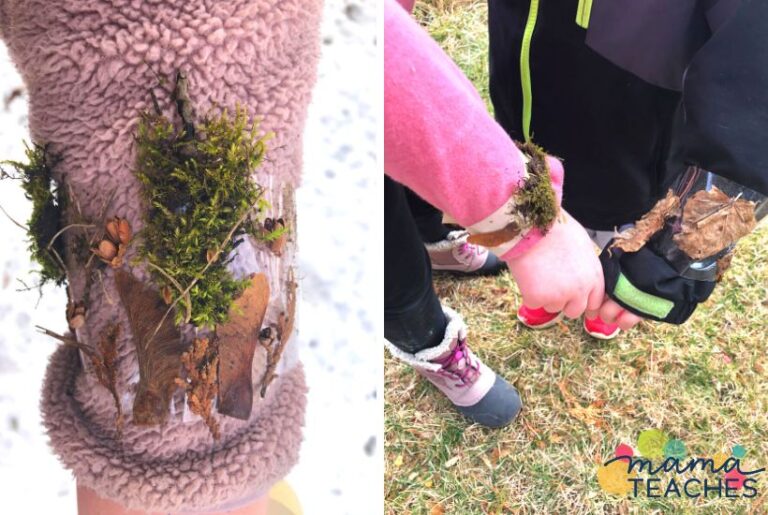
Nature Walks and Outdoor Mindfulness
Nature naturally destresses you by pulling your attention to the wonder of your surroundings.
You can help this process along by asking students to describe what they see, hear, and smell as they walk in the outdoors.
You can try outside mindfulness activities, like watching clouds or listening and repeating birdsong.
Are you looking for more ways to destress in nature? Try these nature activities.
Emotional Check-ins
Social-emotional learning is a key component of practicing mindfulness.
Mindfulness is not about ignoring your feelings; it is about learning to identify them and accept them without judgment.
By naming and accepting your feelings, you can prevent negative reactions and learn to work through your emotions.
Start by teaching kids about their emotions. You can use these social-emotional learning activities.
Do a social-emotional check-in with your students each day. For younger kids, you can use the “Feelings Thermometer.” For older students, you can use the “Feelings Wheel.”
Have them write or draw about their self-identified feeling in a journal for a few minutes each day.
Music and Sound Therapy
Mindfulness techniques often tap into the senses to draw the mind into the present moment.
Play calming music or relaxing sounds (like sound bowls ringing, waves crashing, or birds twittering) to create a peaceful atmosphere.
You can use guided listening to songs (especially classical music) and ask students to attend to one instrument at a time.
Body Scan Relaxation
You can do a body scan seated at a desk. This is another mindfulness technique that works well before and during testing.
Ask students to draw attention, closing their eyes and focusing on the top of their heads, followed by their foreheads, lips, jaws, necks, etc.
Have them focus on each part of their body, moving downwards, like their mind is a big scanner.
They should take note of how each part of their body feels. They do not need to “fix” anything that feels off or tense.
Just name the sensation, and continue the scan until you reach the tips of your toes.
A body scan involves taking an inventory of yourself and just accepting how you feel.
Mindfulness Techniques for the Classroom and Homeschool
You can easily implement any of these mindfulness techniques for students in your classroom or homeschool.
Soon, you will notice your students can focus more intently, regulate their emotions better, and handle the ups and downs of the school day.