When a Parent Works a High-Risk Job: What Families Should Know About Workplace Injuries
The world is an uncertain place and now, more than ever, it’s important to have a plan for dealing with the unexpected. That’s why I decided to create a mini-series about big life events that can impact a family and how to talk with kids about those changes. While some of the articles are really specific to a certain job field or injury, the ideas surrounding communication with children is the same.
I hope this series helps ease things when you’re struggling with how to talk with your kids and navigate delicate situations.
A parent’s job often shapes the rhythm of family life. Work hours affect school drop-offs, meals, childcare, weekend plans, and the small routines children count on every day. When that job
involves physical risk, an injury can disrupt the whole household.
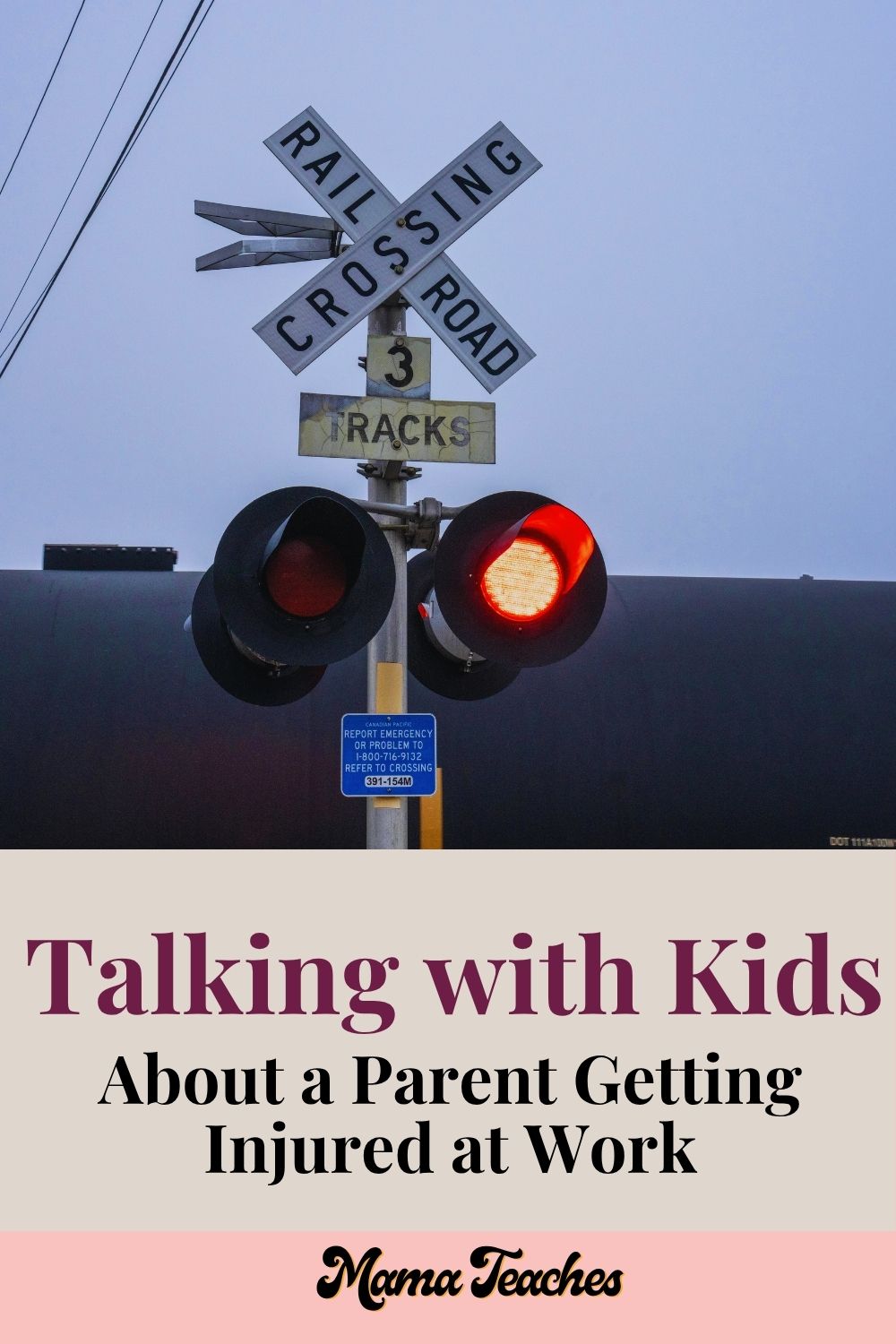
In Chicago, where freight, rail lines, commuter routes, and industrial work are part of daily life, many families understand this reality. Some parents work in offices or classrooms. Others work near tracks, heavy equipment, rail yards, terminals, and in changing weather conditions.
For families with a parent in railroad work, a serious injury can affect income, transportation, caregiving, and emotional stability at home. Children may not understand workplace rules, medical paperwork, or injury claims. However, they do understand when a parent is suddenly in pain, missing work, attending appointments, or unable to join normal family activities.
That is why families benefit from a clear plan for communication,
records, routines, and support.
Why Railroad Injuries Affect Families Differently
Railroad work can be demanding and unpredictable. A parent may work around moving equipment, tracks, freight operations, commuter systems, or rail yards. In a major transportation
hub like Chicago, those responsibilities can also involve long shifts, busy corridors, harsh weather, and schedules that do not always match the school day.
When an injury happens, the family often has to adjust quickly. A parent who usually drives the kids to school may no longer be able to get behind the wheel. A parent who works nights may
suddenly need daytime medical appointments. A spouse or partner may need to manage errands, meals, school communication, and caregiving while also helping the injured parent recover. It’s a lot!
Railroad injuries can also involve questions that differ from ordinary workplace injuries. Families may need to understand how the injury happened, whether equipment or working conditions played a role, and which records should be saved. In those situations, knowing when a railroad worker injury attorney in Chicago may be relevant can help adults ask better questions early in the process.
When communicating the injury to kids, it does not mean they need legal details. Most do not. Adults, however, may need to
understand that railroad injury situations can involve specific rules, timelines, and documentation needs. Early organization can reduce confusion during an already stressful time.
The First Family Priorities After an Injury
After any serious workplace injury, medical care comes first. Families should focus on getting the injured parent evaluated, following treatment instructions, and tracking appointments,
medications, symptoms, and work restrictions.
During a stressful week, it is easy to assume everyone will remember important details. In reality, families are often juggling phone calls, school schedules, insurance paperwork, meals,
childcare, and transportation. A simple notebook or shared digital folder and calendar can help track doctor visits, diagnosis updates, missed work, expenses, and changes to household responsibilities.
This can be especially useful for Chicago-area families coordinating care across different parts of the city or suburbs. An appointment across town can affect school pickup, public transit plans, and the rest of the day’s schedule. Keeping details in one place helps everyone in the household respond calmly instead of starting over with every new question.
Families should also decide who can help with practical needs. A grandparent, neighbor, trusted friend, or school contact may be able to assist with meals, rides, or after-school care. Accepting
support protects the family’s energy during a difficult transition.
Talking to Children Without Overwhelming Them
Children notice changes quickly. They may see a parent using a brace, walking carefully, missing work, or feeling frustrated. They may overhear adult conversations and imagine details that are worse than reality.
A simple, honest explanation is usually best. Parents might say, “Dad got hurt at work, and the doctor is helping him heal,” or “Mom needs rest right now, so our routine will change for a
while.” The explanation should be appropriate to the child’s age and emotional maturity.
For a child who knows their parents work around trains, stations, rail yards, or transportation routes, concrete language can help. A young child does not need details about equipment, reports, or claims. An older child may need reassurance that the family has a plan and that adults are handling the serious parts.
Steady routines also matter. Homework at the same time, bedtime stories, weekend breakfast, or a regular walk around the neighborhood can give children a sense of security. In a busy city
environment where school, work, traffic, and transit already shape the day, familiar routines can be especially comforting.
Why Documentation Matters After a Railroad Injury
Documentation can make a difficult situation easier to manage. A railroad injury, for example, may involve medical records, incident reports, witness names, photos, work schedules, equipment details, supervisor communications, and follow-up instructions. Keeping these materials organized reduces the chance of losing important information.
Railroad work is also part of a broader safety system. Accidents, incidents, casualties, and operational details are tracked through official reporting tools, and public railroad safety data helps show why accurate records matter in the rail industry.
For families, documentation does not have to be complicated. A folder, spreadsheet, or notes app can be enough. Save medical summaries, appointment dates, prescription information, work restrictions, mileage to appointments, and written communication related to the injury. If there are photos or names of people who saw what happened, keep those in the same place.
This matters because details can blur over time. A parent may forget when symptoms started or when a work restriction changed. A spouse may not remember which appointment required time away from work. Organized records protect the family from relying only on memory.
How a Chicago-Area Family Can Plan Around Recovery
Recovery affects everyday tasks. A parent may be unable to lift a toddler, drive to school, climb stairs, carry groceries, shovel snow, or stand long enough to cook dinner. These ordinary responsibilities can become major stress points without a plan.
In and around Chicago, recovery planning may also involve distance, timing, traffic, parking, commuter schedules, and winter weather. A family living in the suburbs may need to coordinate
travel into the city for treatment. A parent who usually works near rail operations may suddenly be balancing physical therapy, follow-up visits, and rest.
A practical family plan can answer a few basic questions:
- Who handles transportation?
- What are the backup options for school pickup and childcare? Which meals can be simplified for the next few weeks?
- What tasks should the injured parent avoid?
- Do children need new safety reminders at home, such as keeping walkways clear or being careful around crutches?
The plan does not need to be perfect. It only needs to be clear enough to reduce daily confusion. A written note on the fridge or a shared calendar can help everyone know what to expect.
Helping the Household Adjust During Recovery
When a parent is hurt at work, routines may need to change quickly.
Mornings can take longer.
Children may need extra reminders.
The injured parent may feel discouraged by physical limits.
The caregiving parent may feel stretched thin.
The same planning skills that help families manage returning to work after a major family transition can also support recovery after a workplace injury. Families may need to rethink
schedules, responsibilities, communication, and emotional expectations.
It can help to divide tasks into three groups: urgent, flexible, and outside help.
School attendance, medication, meals, and medical appointments are urgent.
Deep cleaning, extra errands, and optional activities may be flexible.
Transportation, grocery shopping, and childcare may be easier with help from trusted relatives, friends, or neighbors.
Children can participate in age-appropriate ways. A young child can put toys away to keep walkways clear. An older child can pack a backpack the night before or help prepare a simple meal. The purpose is not to place adult pressure on children. It is to help them feel included and capable during a time that may feel uncertain.
Questions Families May Need to Ask
After a railroad-related workplace injury, families may feel unsure where to begin. A focused list of questions can help adults stay organized:
- What medical instructions need to be followed?
- Which symptoms should be watched closely?
- Are there limits on lifting, driving, standing, or returning to work?
- Which appointments are scheduled?
- Who in the household needs to know about them?
Families may also need to ask which documents should be saved. This can include medical records, discharge papers, work notes, text messages, emails, photos, expense receipts, and details about missed work. If the injured parent works in rail operations, adults may also need to understand whether railroad-specific rules or reporting processes apply.
Household questions matter too.
- Who will communicate with the school?
- Who can pick up children if an appointment runs late?
- Which bills or expenses need closer attention during recovery?
- What emotional support does the injured parent need?
- What support does the rest of the family need?
In Chicago-area households where work, school, transportation, and relatives may be spread across different neighborhoods or suburbs, clear answers can prevent daily stress from building.
Planning helps the family move from reacting to managing.
Building Stability When Work Is Unpredictable
High-risk work can support a family and connect a parent to important systems that keep a city moving. In Chicago, rail and transportation work are part of everyday life, from freight routes to commuter lines. When a parent is injured in that setting, the effects can reach the kitchen table, the school morning, the bedtime routine, and the family budget.
Families do not need every answer right away. They need a steady approach. Get medical care. Save important records. Keep children informed in simple and reassuring ways. Ask for help
when the household needs it. Build routines that can adjust while the injured parent recovers.
A workplace injury can make family life feel uncertain, especially when the job involves rail work, physical risk, and the pace of a major city. With calm communication and practical planning,
families can protect stability at home while adults handle the more complicated questions one step at a time.