
Kids Are More Stressed Than Ever — Here’s the Lifestyle Shift Experts Say Helps Most
If it feels like kids are carrying more stress than ever before, you’re not imagining it.
Teachers are seeing it in classrooms. Parents are feeling it at home. Even young children talk about feeling overwhelmed, tired, or worried in ways that used to sound more like adult concerns.
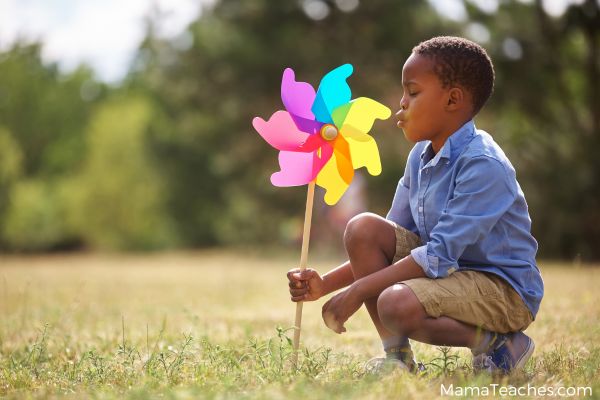
Between packed schedules, academic pressure, constant digital stimulation, social media comparisons, and the lingering emotional effects of the past few years, many kids are living in a near-constant state of stress. And the effects show up everywhere — behavior struggles, emotional outbursts, anxiety, sleep problems, difficulty focusing, and even physical complaints like headaches or stomachaches.
But here’s the encouraging news: experts increasingly agree that helping kids isn’t about adding more interventions, tutors, or structured programs.
Instead, the most effective solution may be surprisingly simple.
It’s a lifestyle shift.
And many families and teachers are already seeing results.
Why Kids Are More Stressed Now
Childhood has changed dramatically in just one generation.
Kids today often experience:
• Overscheduled afternoons and evenings
• Academic pressure starting earlier than ever
• Constant exposure to news and world events
• Social media comparison and online drama
• Less unstructured outdoor play
• Less downtime and boredom
• Increased screen time
• Higher expectations for achievement
Even when all these things are well-intentioned, the result can be kids who rarely feel truly relaxed.
Their brains stay in “go mode” all the time.
And when stress becomes constant, behavior, learning, and emotional health start to suffer.
The Lifestyle Shift That’s Helping
Experts in child development and mental health are pointing toward one big solution:
Slowing down childhood again.
Not eliminating activities completely. Not abandoning goals or structure.
But intentionally creating more space for rest, connection, creativity, and unstructured time.
In other words, helping kids live at a healthier pace.
And families who make this shift often notice improvements surprisingly quickly.
What Slowing Down Looks Like in Real Life
This shift doesn’t require moving to a farm or giving up every activity. It’s about making small, intentional changes.
Here’s what that can look like.
More Unstructured Play
Unstructured play helps kids regulate emotions, build creativity, and process experiences. When kids invent games, explore outside, build forts, or create imaginary worlds, their brains reset.
Play is not wasted time. It’s emotional therapy for children.
Fewer Overscheduled Days
Many families are reevaluating how many activities their children truly need.
Instead of sports practice every night, tutoring sessions, clubs, and lessons stacked back-to-back, families are choosing one or two meaningful activities and protecting downtime.
Kids often become calmer and more cooperative when they aren’t constantly rushing.
Device-Free Time
Screens aren’t the enemy, but nonstop digital input can overwhelm developing brains.
Families and classrooms are experimenting with device-free times or zones — evenings without screens, tech-free meals, or classrooms with hands-on activity breaks.
Many parents notice mood improvements when screen time decreases even slightly.
More Sleep and Rest
Sleep deprivation is one of the biggest hidden contributors to stress in kids.
Earlier bedtimes, calmer evening routines, and less late-night screen use make a huge difference in emotional regulation and focus.
Well-rested kids cope better with challenges.
Connection Over Productivity
Sometimes kids don’t need solutions — they need connection.
Family dinners, reading together, walks, car conversations, and simple shared routines create emotional safety. Kids who feel emotionally secure often handle school and social stress more successfully.

What Teachers Are Noticing
Teachers across grade levels are noticing something important.
When kids come to school rested, less overscheduled, and emotionally supported, they:
• Have fewer behavior struggles
• Focus better
• Recover faster from frustration
• Show improved social skills
• Participate more confidently
Many educators now emphasize social-emotional learning and classroom routines that promote calm, not just academics.
And parents who adopt slower home routines often hear the same feedback: their child seems happier and more engaged at school.
What About Academic Success?
A common worry is that slowing down means falling behind.
But research increasingly shows the opposite.
Kids who are emotionally regulated and well-rested actually learn better.
They retain information more easily, problem-solve more effectively, and build stronger long-term skills.
Mental health and learning are connected. When one improves, so does the other.
Signs Your Child Might Need a Slowdown
Consider whether your child:
• Seems constantly tired or irritable
• Has frequent emotional meltdowns
• Complains about school or activities often
• Struggles with sleep
• Appears anxious or overwhelmed
• Has little free time to simply play
These signs don’t mean something is wrong — but they may signal it’s time to lighten the load a bit.
Small Changes Make a Big Difference
The good news is you don’t need a total lifestyle overhaul.
Small changes often have the biggest impact:
• Protect one free evening each week
• Add outdoor playtime after school
• Start a calm bedtime routine
• Create screen-free family time
• Reduce one activity if schedules feel packed
When kids feel less rushed, their behavior and emotional health often improve naturally.
Childhood Doesn’t Need to Be a Race
Parents and teachers today carry enormous pressure to prepare kids for success.
But sometimes the best preparation is giving children the space to simply be kids — to rest, play, connect, and grow at a healthy pace.
Childhood doesn’t need to feel like a race.
And when families slow down just a little, kids often become happier, calmer, and more resilient.
And honestly? Adults usually feel better, too.